

January 2026 Housing Data Reveals Shifting Momentum
If you are watching the housing market closely, the latest numbers offer an important snapshot of where Northern Virginia real estate stands at the start of 2026. January data covering the 10 counties that make up the region shows a market adjusting, stabilizing, and preparing for what could be a competitive early spring season.
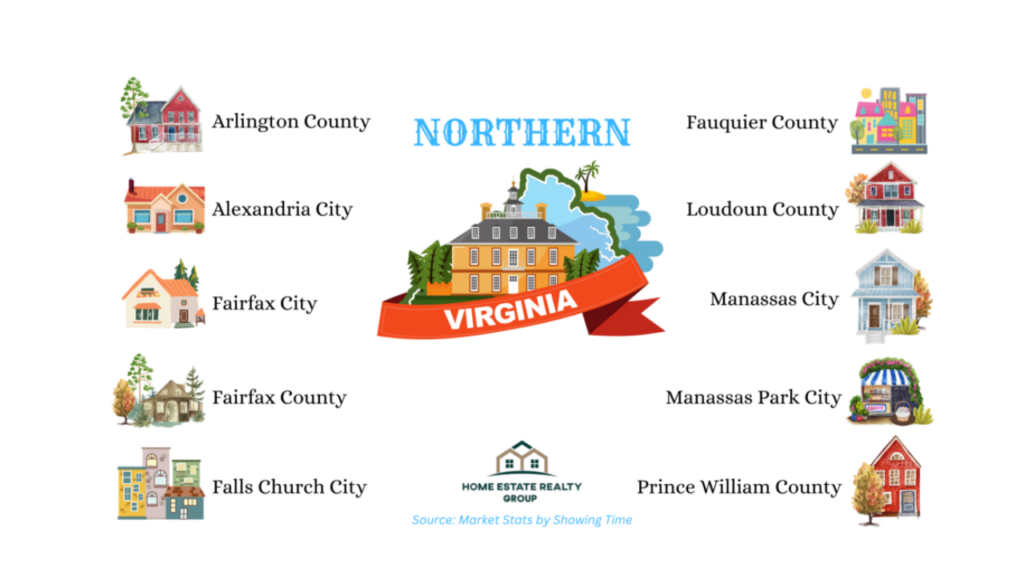
Here is what buyers, sellers, and investors need to know.
Median Home Prices Edge Down
The median sold price in January came in at $635,000.
That represents:
- A 7.3 percent decrease from December
- A 2.3 percent decrease compared to January of last year
While price softening may seem concerning at first glance, context matters. Seasonal slowdowns, winter weather disruptions, and post holiday hesitation often impact January activity. In Northern Virginia real estate, early year data frequently resets expectations before spring momentum builds.
For buyers, this creates opportunity. For sellers, it reinforces the importance of strategic pricing.

Home Sales Reflect Seasonal Slowdown
A total of 1,357 homes sold in January.
That is:
- Down 35.5 percent from December
- Down 5 percent year over year
December typically benefits from year end closings, while January often slows due to winter conditions. Severe snowstorms and lingering uncertainty can delay transactions. However, slower volume does not necessarily signal weakening demand. It often signals timing.
As winter transitions to spring, Northern Virginia real estate historically sees renewed buyer activity.
Days on Market Continue to Rise
Homes spent an average of 40 days on market in January.
That is:
- 5 days longer than December
- 10 days longer than last year
Properties are taking slightly longer to go under contract. This shift gives buyers more breathing room to evaluate options rather than rushing into competitive bidding scenarios. Sellers, meanwhile, must focus on presentation, condition, and pricing precision to stand out.
Inventory Growth Creates More Choices
One of the most important metrics this month is inventory.
At the end of January, 2,613 homes were available for sale.
That is:
- Up 8 percent from December
- Up 25 percent from last year
While inventory growth has slowed compared to previous months, the increase still provides buyers with greater selection. In recent years, tight supply defined Northern Virginia real estate. Today’s market offers a healthier balance.
More choices also mean sellers face more competition.
Sold to List Price Ratio Softens Slightly
Homes sold at 97.7 percent of original list price.
That is:
- Nearly unchanged from last month
- Down 1.3 percent from last year
Sellers are still receiving strong offers, though not quite at the aggressive levels seen during peak competitive cycles. Pricing correctly from the start remains critical.
New Listings Surge 85 Percent
One standout statistic is the number of new listings added in January.
A total of 1,817 new listings hit the market.
That is:
- 85.4 percent higher than December
- 6.2 percent higher than one year ago
An 85 percent month over month jump signals sellers are preparing for what many believe could be an early spring market. Increased inventory fuels activity. Buyers gain options. Sellers must prepare strategically.
In Northern Virginia real estate, rising new listings often precede heightened buyer competition as the weather improves.
Inflation Data Brings Encouraging News
Beyond housing specific metrics, broader economic data also impacts the market.

The latest Consumer Price Index (CPI) report showed inflation at 2.4 percent, down from 2.7 percent the previous month. That places inflation closer to the Federal Reserve’s long term target of 2 percent.
Federal Reserve officials continue monitoring inflation trends before making decisions on interest rate policy. While future decisions remain uncertain, the downward movement in CPI provides stability and confidence in the broader economy.
Lower inflation pressures can positively influence mortgage rates over time.
Mortgage Rates Offer Opportunity
Current mortgage interest rates are averaging between 5.8 percent and 6.2 percent, with some recent reports closer to 5.8 to 5.9 percent.
While rates do not move directly in sync with CPI or Federal Reserve announcements, improving inflation trends often support rate stabilization.
For buyers in Northern Virginia real estate, locking in rates under 6 percent has renewed confidence. For sellers, more qualified buyers entering the market strengthens pricing potential.
New Construction Activity on the Rise

Across Northern Virginia, new construction communities are seeing noticeable increases in foot traffic and contract activity.
Builders are reporting stronger engagement as buyers seek:
- Modern layouts
- Energy efficiency
- Builder incentives
- Move in ready inventory
New construction is creating fresh opportunities within Northern Virginia real estate, particularly for buyers who struggled in tight resale markets over the past several years.
What This Means for Buyers
- Inventory is rising.
- Days on market are longer.
- Mortgage rates are stabilizing.
Buyers have more negotiating power than they did during peak competitive cycles. However, activity is increasing, and early spring competition may return quickly.
Preparation remains key. Pre approval, strong financing, and decisive action still matter.
What This Means for Sellers
- Competition is increasing.
- Price sensitivity is higher.
- Buyers are more selective.
Strategic pricing, professional marketing, and strong presentation will determine success. While bidding wars may not be widespread, well positioned homes are still attracting solid offers.

The Bottom Line on Northern Virginia Real Estate
January 2026 reflects a market in transition. Sales volume slowed seasonally. Prices adjusted modestly. Inventory expanded. Inflation cooled. Mortgage rates improved.
Taken together, these signals suggest a more balanced and opportunity driven environment in Northern Virginia real estate.
As spring approaches, momentum could build quickly. Buyers may want to act before competition intensifies. Sellers may benefit from entering the market before inventory climbs further.
Staying informed and responsive to changing data will be the advantage in 2026.
NEED HELP SELLING OR BUYING YOUR NEXT HOME? CALL US TODAY