

Why Technology Alone Can’t Tell You What Your Home Is Really Worth
If you’ve ever searched your address online and wondered whether the number on Zillow or Realtor.com reflects your home’s true value, you’re not alone. Artificial intelligence has transformed the way homes are valued, making estimates faster and more sophisticated than ever before. But when it comes to pricing one of your largest financial assets, technology is only part of the equation.
Today’s AI-powered valuation tools are impressive, but they still have important limitations. Understanding where artificial intelligence excels—and where experienced real estate professionals make the difference—can help home sellers price their homes more accurately and achieve stronger results in today’s market.
How AI Has Changed Home Valuations
Artificial intelligence has dramatically improved the speed and efficiency of home valuations. Instead of manually sorting through hundreds of recent sales, AI can analyze enormous amounts of data within seconds.
Modern valuation systems examine recent comparable sales, neighborhood trends, property descriptions, historical pricing data, and market activity to generate an estimated value. These algorithms become more refined over time as they process additional information, making online estimates increasingly accurate as a starting point.
For real estate professionals, AI has become an incredibly valuable research tool. It quickly gathers information that once required hours of manual work, allowing agents to spend more time interpreting the data instead of collecting it.
Why AI Still Can’t See the Whole Picture
Despite all of its computing power, artificial intelligence cannot physically walk through your home. That limitation matters far more than many homeowners realize.
Online valuation tools cannot accurately evaluate custom renovations that aren’t documented online. They may miss premium finishes, exceptional craftsmanship, recent remodeling projects, or thoughtful design improvements that significantly influence buyer perception.
Even more importantly, AI struggles to measure the emotional and qualitative factors that often influence purchasing decisions. A peaceful mountain view, a walkable downtown location, a quiet cul-de-sac, mature landscaping, exceptional natural light, or a backyard designed for entertaining can all affect market value. These are details that buyers notice immediately during a showing but are difficult for algorithms to quantify.
Why Professional Home Evaluations Still Matter
This is why experienced real estate professionals continue to perform comprehensive Comparative Market Analyses (CMAs). A professional CMA combines technology with firsthand observation. An experienced agent researches market data, studies comparable properties, evaluates current competition, and then personally tours the home to understand its condition, upgrades, layout, and overall appeal.
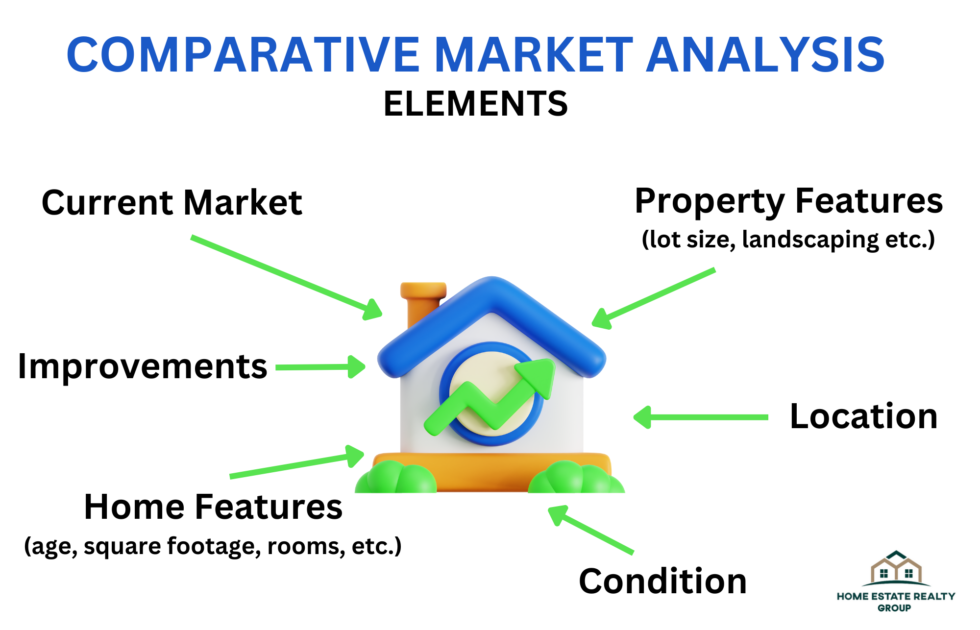
That in-person visit often uncovers value that simply doesn’t exist in public databases.
The same principle applies to professional appraisals. While tax assessments and automated valuations rely heavily on available records, licensed appraisers inspect the interior of the home to evaluate features that technology cannot fully interpret.
Buyers Still Watch Online Estimates
Even when online estimates aren’t perfectly accurate, they still influence buyer expectations.
Many buyers begin their home search by checking Zillow, Realtor.com, and similar websites. Those numbers often become anchored in their minds before they ever step inside a property. That means sellers cannot simply ignore automated valuations.

Instead, successful pricing strategies recognize that buyers will compare the asking price against online estimates. When there is a difference, experienced listing agents can provide market evidence, recent comparable sales, and property-specific improvements that justify the home’s true value. In many cases, presenting strong supporting data can even influence future online valuations as new information becomes available.
Finding the Right Balance Between AI and Human Expertise
Artificial intelligence isn’t the enemy of real estate—it has become one of its greatest tools. It improves efficiency, identifies market trends, and helps professionals analyze massive amounts of information faster than ever before.
However, technology works best when paired with local expertise. An experienced real estate professional understands neighborhood dynamics, buyer psychology, property condition, and the subtle features that often separate an average sale from an exceptional one.
The best pricing decisions come from combining accurate market data with real-world experience and a thorough walkthrough of the property.
The Bottom Line
AI has earned an important place in modern real estate, and its capabilities will continue to improve. For homeowners curious about their property’s value, online estimates provide a useful starting point. But they should never be the final word.
RELATED VIDEO
The most accurate pricing strategy still comes from combining advanced technology with an experienced real estate professional who can personally evaluate your home’s unique features and position it effectively in today’s market.
If you’re thinking about selling your home, don’t rely solely on an online estimate. A professional in-person evaluation can reveal opportunities, identify hidden value, and help you price your home strategically from day one—giving you the best chance to attract serious buyers and maximize your return.